

Recent News
Preparing for Minnesota’s first gas Integrated Resource Plan
This year marks a milestone for how Minnesota’s investor-owned gas utilities plan for the future of the gas system.
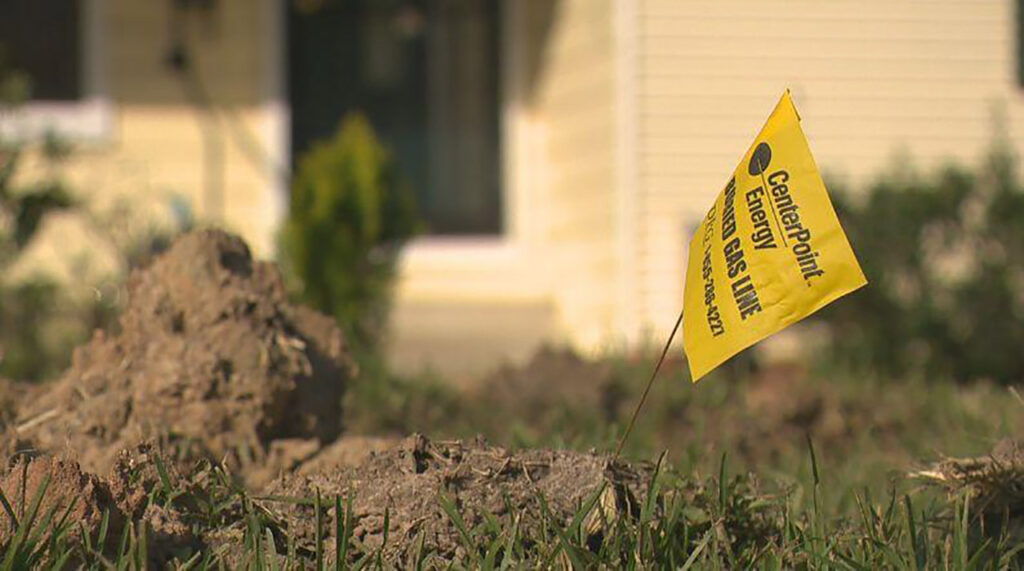
This year marks a milestone for how Minnesota’s investor-owned gas utilities plan for the future of the gas system. For the first time, gas utilities are required to file gas Integrated Resource Plans, or IRPs, with the Minnesota Public Utilities Commission. These plans are designed to help regulators, stakeholders, and the public understand how utilities expect demand for gas service to change over time, what investments they are considering, and whether those investments are affordable, reliable, and aligned with Minnesota’s climate goals.
In the summer of 2026, Xcel Energy filed Minnesota’s first-ever gas IRP, launching the state into new opportunities to evaluate and consider the future of our natural gas system and the choices that will affect customers’ bills, public health, and climate for decades to come. For member organizations of the Clean Heat Minnesota coalition, engagement in Xcel’s gas IRP marks a significant opportunity to shape and influence Minnesota’s plans for heating, energy affordability, and emissions reductions.
An IRP is a long-term planning document that lays out how a utility expects to meet customer energy needs in the years ahead. Electric utilities in Minnesota have filed IRPs for decades. Gas utilities, however, have not been required to conduct the same kind of comprehensive planning process until now. In 2024, the Minnesota Public Utilities Commission finalized a framework requiring Minnesota’s three largest gas utilities, Xcel Energy, CenterPoint Energy, and Minnesota Energy Resources Corporation (MERC), to file gas IRPs every three years. These plans must evaluate a wide range of options for meeting future energy needs, including:
The ultimate goal of these gas IRPs is to ensure utilities are making prudent long-term decisions that serve customers and the public interest.
Minnesota’s gas system was built under the assumption that demand for gas would continue growing indefinitely. But the energy landscape is changing. Many Minnesota households and businesses are adopting cleaner heating technologies. State climate laws include goals for deep reductions in greenhouse gas emissions. And customers continue to face uncertainty from volatile fossil fuel markets that can drive sharp increases in energy bills.
“Gas IRPs give regulators and Minnesotans the chance to look at cleaner technologies like energy efficiency, heat pumps, and community-scale heating and cooling systems at a level playing field with the polluting status quo,” said Natalie Cook, coalition manager at Clean Heat Minnesota. “We know that natural gas experiences more price volatility, has serious impacts on our climate, and harms people’s health. Through gas IRPs we expect to see this even more clearly.”
Gas IRPs provide an opportunity to ask important questions about natural gas in Minnesota, including:
The answers matter because utility investments made today can remain in service for decades, and customers often bear those costs through their energy bills.
Minnesota’s gas IRP framework emerged from a multi-year regulatory process designed to improve transparency and accountability in gas utility planning. The framework was established under a statewide gas resource planning investigation before the Minnesota Public Utilities Commission.
The Commission directed utilities to begin filing gas IRPs on a staggered schedule, with Xcel Energy required to submit the state’s first plan by Oct. 1, 2026. CenterPoint Energy and Minnesota Energy Resources Corporation (MERC) will follow in subsequent years. Because the Xcel gas IRP is the first filed under Minnesota’s new framework, it could help establish expectations and precedent for future utility planning across the state.
Clean Heat Minnesota believes gas IRPs should help create a future that is affordable, equitable, reliable, and aligned with Minnesota’s climate goals. As regulators review Xcel Energy’s plan, the coalition will be looking for several key principles, in no particular order.
A consumer -first approach
Minnesotans deserve affordable energy service and protection from unnecessary costs. Gas utilities should carefully examine whether expensive new infrastructure investments are truly needed or whether lower-cost alternatives can meet customer needs more effectively. Customers should not be left paying for oversized or underutilized infrastructure as energy technologies evolve.
Plan for a changing energy future
Gas IRPs should account for increasing adoption of energy efficiency measures, electrification technologies such as heat pumps, and other strategies that reduce fossil fuel use while maintaining comfort and reliability. Planning assumptions should reflect these trends rather than relying exclusively on historic patterns.
Consider all available solutions
Gas utilities should evaluate the full range of available resources before proposing major investments.The coalition will look for robust evaluation of energy efficiency, heat pumps, thermal energy networks, non-pipeline alternatives, and other resources that may provide reliable service at lower cost and lower emissions than traditional gas investments. Minnesota’s gas IRP framework was specifically designed to ensure these alternatives receive meaningful consideration.
Transparency and alignment with utility planning with climate goals
Minnesota has established ambitious targets for reducing greenhouse gas emissions. Gas utility integrated resource planning should support those goals. Gas IRPs should clearly demonstrate how proposed investments affect emissions and evaluate resource options that position Minnesota for a clean energy future. The Commission has already directed utilities to incorporate various future carbon compliance scenarios into gas IRP modeling, reflecting the importance of these considerations. Clean Heat Minnesota is interested in seeing transparent assumptions, clear analysis, and evidence that proposed investments align with Minnesota’s state and local climate goals.
Advance equity and energy affordability
Changes to the energy system must benefit all Minnesotans. Communities facing the highest energy burdens should be prioritized in planning processes and investment decisions. The transition to cleaner heating technologies should create opportunities for lower energy costs, healthier homes, and greater access to clean energy solutions. The Commission’s gas planning framework explicitly requires consideration of equity within the planning process and Clean Heat Minnesota will be looking beyond whether equity is discussed in the plan and also examining how equity considerations influence real-world planning decisions and outcomes for households and neighborhoods throughout Xcel Energy’s service territory.
While Xcel Energy’s filing is significant on its own, it is also part of a broader effort to reduce emissions from Minnesota’s buildings and heating systems. Decisions made through gas IRPs will help determine how utilities adapt to changing technologies, evolving customer preferences, and the state’s climate commitments. For that reason, Minnesota’s first gas IRP is about more than one utility filing. It is about charting a path for how Minnesotans will heat their homes and businesses in the decades ahead.
Xcel Energy filing its Integrated Resource Plan kicked off the process. Over the coming months, stakeholders, consumer advocates, environmental organizations, state agencies, and members of the public will review and analyze Xcel’s proposal and submit initial comments over the next few months.
Ultimately, the Commission will decide whether Xcel’s gas IRP adequately serves customers, addresses future risks, and aligns with state policy objectives. Clean Heat Minnesota will participate throughout the process, advocating for a resource plan that protects customers, advances energy affordability, supports equitable outcomes, and helps Minnesota move toward a cleaner, more resilient future.
Clean Heat Minnesota and some member organizations will host comment-writing events in person and online in early 2027. Additionally, we expect many of our members to support their communities to attend the public hearings. We believe that every day Minnesotans should shape the outcome of the IRP by sharing with Commissioners their values and vision for heating and powering our homes and businesses.
This year marks a milestone for how Minnesota’s investor-owned gas utilities plan for the future of the gas system.

Everyday activities like cooking with a gas stove, burning candles or incense, and using certain household products can release pollution into the air.

Every household depends on energy, but understanding what drives utility bills and what we can do when those costs become unaffordable can be complicated.