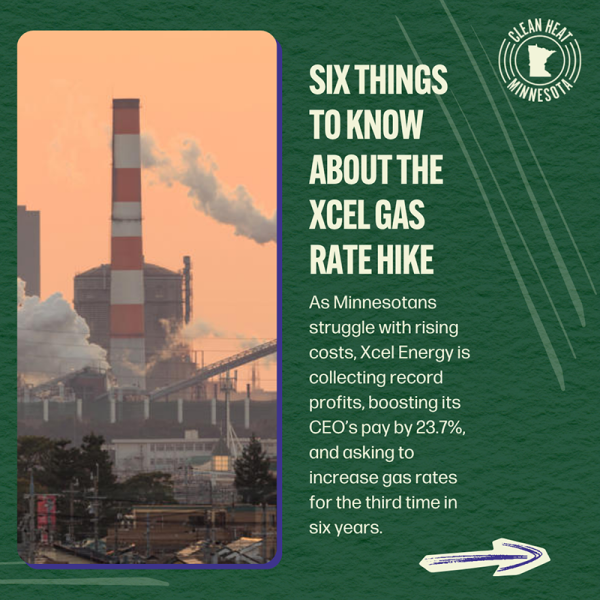
At a time when families are doing everything they can to cut back—turning down thermostats, using less energy, and stretching household budgets—monthly gas bills continue to climb. As Minnesotans struggle with rising costs, Xcel Energy is collecting record profits, boosting its CEO’s pay by 23.7%, and asking to increase gas rates for the third time in six years.
As regulators consider Xcel’s latest gas rate proposal, it’s important to understand what’s driving these increases and what’s really at stake. From pipeline spending to corporate profits, this gas rate hike reflects broader issues in how the gas system is designed to serve. Here are six key things you should know about the Xcel gas rate hike:
1. If approved, this would be the third gas rate hike in six years.
Xcel is proposing to raise gas rates by $63 million annually — its third request in just six years. If approved, the average residential customer would pay about $85 more per year. These increases stack over time, creating a growing burden for households already facing high costs for housing, food, and other essentials. Across Minnesota, affordability is becoming a crisis, particularly for working families and those on fixed incomes. This gas rate hike comes as Xcel raised its CEO’s pay to nearly $16 million in 2025 — reflecting a 23.7% increase over the year prior.
2. Xcel’s gas rate hike is funding unnecessary pipe expansion.
A major driver of the requested gas rate increase is Xcel’s continued investment in gas pipes and related infrastructure. Xcel makes money not by selling fuel, but by building or replacing pipelines. In 2026, the company plans to spend over $60 million on projects to expand the gas system, including nearly $19 million to more than double the size of an existing pipeline in Ramsey County suburbs. These projects that expand the gas system continue to be approved even as gas use for the typical Minnesota household has decreased 23% between 2019 and 2024. In that same period of time, Minnesota gas bills increase 32% as a result of utilities continually charging customers for their pipe expansion projects years after they’re completed. These exorbitant costs are passed directly onto customers through delivery charges on monthly bills, and once these projects are built, Xcel continues to earn a massive return on the investment for shareholders for decades. This creates a system in which customers are locked into paying for infrastructure long after it’s built, regardless of whether it’s still needed.
3. Customers are paying for corporate profits and bloated executive salaries.
While families struggle to keep up with rising bills, Xcel is also seeking to increase its profit margin by raising its return on equity (ROE) to 10.65%, up from 9.6%. This would mean larger returns for shareholders, funded directly by ratepayers through higher utility bills. Buried in the proposal is a plan to charge customers more than $730,000 toward compensation for the company’s top ten highest-paid executives. At the same time, Xcel Energy’s CEO received a $3.1 million pay increase in 2025, or a 23.7% increase over the prior year. While tens of thousands of Minnesotans are being shut off from essential energy service, utilities continue to raise rates and protect profits, putting affordability further out of reach for the people who need it most.
4. Xcel is walking back its climate commitments.
Xcel previously committed to reducing greenhouse gas emissions by 25% by 2030, which has since been replaced with a vague “electrification-first” strategy that lacks clear benchmarks or accountability. At the same time, the company continues to invest heavily in gas infrastructure systems designed to deliver fossil fuels for decades to come. As Minnesota considers its clean energy future through ongoing “Future of Gas” proceedings, regulators at the Minnesota Public Utilities Commission (PUC) are examining how to align utility planning with the state’s climate goals and protect customers from rising energy costs. Yet instead of charting a clear path away from fossil fuels, Xcel is doubling down on its own profits by charging customers for unnecessary pipes and gas infrastructure, leaving ratepayers to bear the financial burden.
5. Cleaner, more efficient, and affordable alternatives exist.
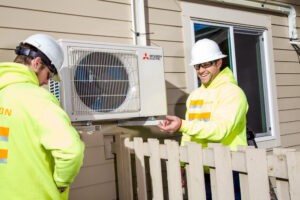
Today, clean energy sources like wind and solar are increasingly abundant and reliable. In Minnesota, as summers grow hotter and winters more extreme, keeping homes both a safe temperature and affordable is becoming increasingly challenging for many families. Strategic investments in energy efficiency, weatherization, and modern electric technologies can help address this challenge by reducing energy waste and improving year-round home comfort and reliability. These solutions run on increasingly affordable clean energy sources, offering a path to lower, more stable energy bills without relying on the volatile costs of fossil fuels.
6. You have a voice!
Gas rate hikes aren’t decided behind closed doors; they go through a public process at the Minnesota PUC. That means Minnesotans can weigh in by submitting comments, attending hearings, and sharing their experiences with rising energy costs. These decisions have direct, long-term consequences on your pocketbook, often locking in customer costs for years. Speaking up can help ensure utility regulators at the Minnesota PUC hear directly from the people most impacted. At a moment when gas bills are on the rise and the status quo is becoming increasingly unaffordable, public comments are a powerful tool to push for a system that prioritizes people over corporate profits.