
Recent News
When wildfire smoke moves in, your home can help
Certain home upgrades make a difference, not only during wildfire season, but anytime outdoor air quality is unhealthy.

Adapted from Fresh Energy’s blog “What’s up with heat pumps”
Heat pumps have been having a “moment” lately—and rightfully so. Avoiding the worst impacts of climate change means transitioning our entire economy, including here in Minnesota. That requires a change in the energy that powers our homes, businesses, and workplaces, shifting away from burning fossil fuels towards using zero- and low-carbon alternatives. Heat pumps can help us make that transition.
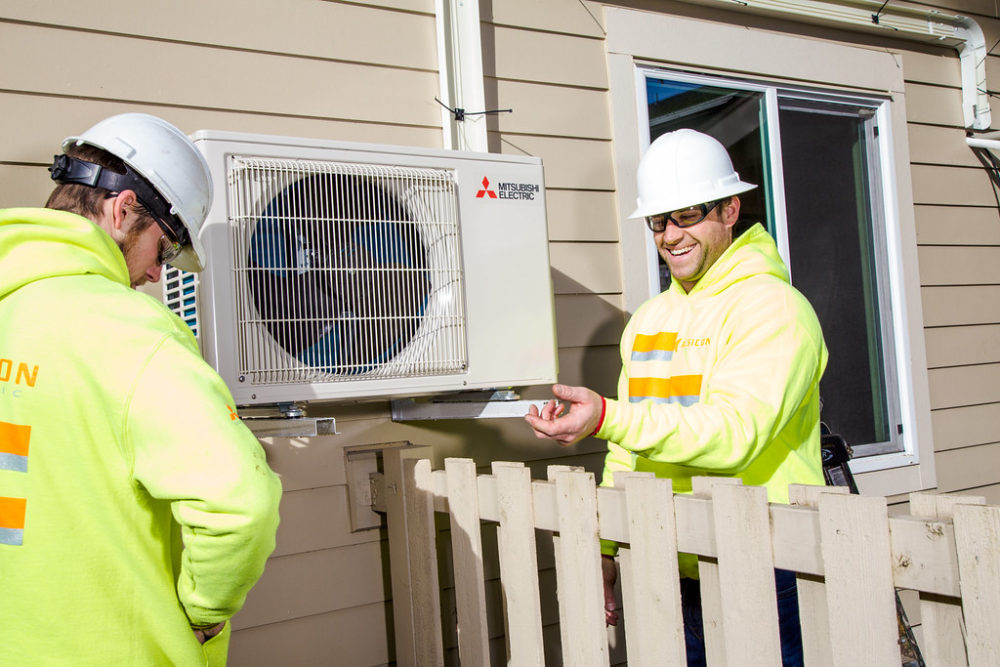
A heat pump is a type of heating and cooling system that is installed outside a home, multifamily residence, or business. Heat pump technology has come a long way over the past decade, with improved energy efficiency and increased capacity to heat in cold climates. Traditional electric resistance heating—the classic baseboard heating system that you’d see in your grandparents’ basement—requires running an electric current through a material that has some resistance to cause friction, which creates heat. That heat is then dispersed throughout the home, office building, or apartment.
By contrast, in heating mode, a heat pump takes heat from the outside air and pulls it into the building—and it can do that with exceptional energy efficiency even on really cold days when it doesn’t feel like there could be any heat outside. The pump operates in reverse when it’s in cooling mode, pulling heat out of your home.
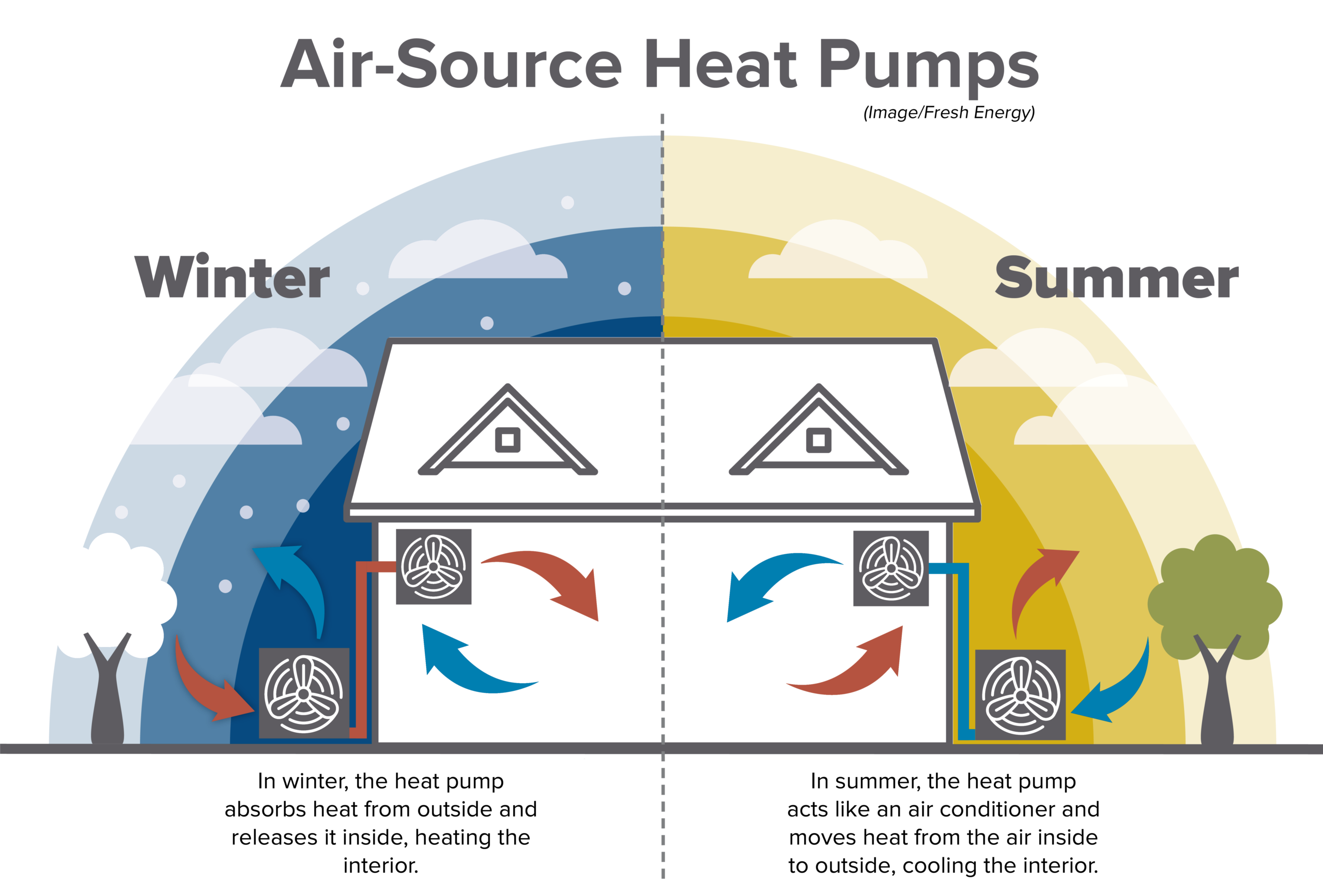
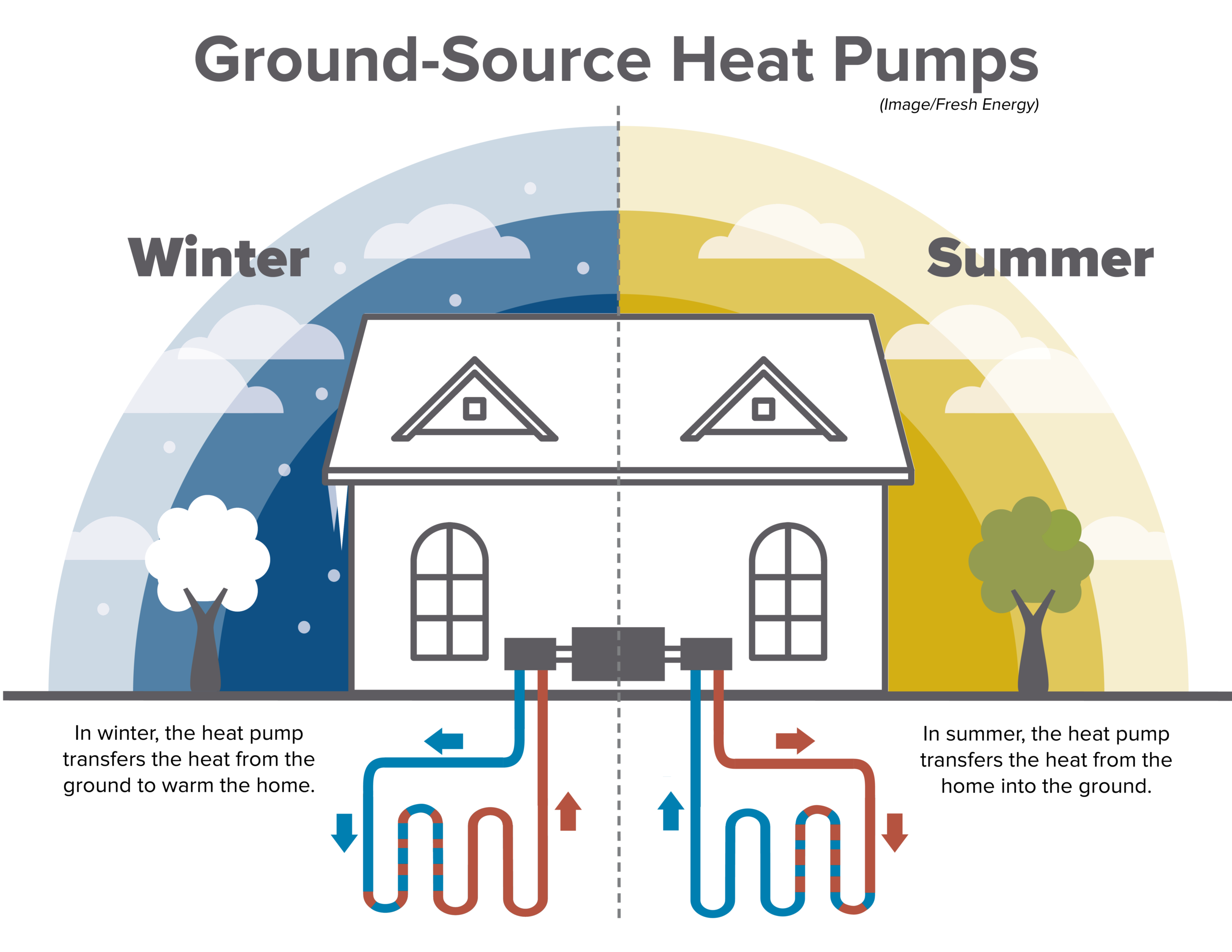
There are a couple different types of heat pumps. The type described above, an air-source heat pump (or ASHP, see Graphic 1), takes heat from the outside air and pulls it into your home. Operating in a similar fashion, ground-source heat pumps (or GSHP, see Graphic 2), both geothermal and aquifer thermal energy storage system (ATES) types, take heat from a fluid—usually water—that is being transported through pipes and move it into the air, like the ground-source system proposed for Saint Paul’s Como Zoo. ATES technology makes the most sense on district scale, instead of in individual homes. Because ground-source heat pumps exist underground, the water they contain is heated by the Earth itself. This provides a constant warm temperature for the heat pump to redistribute into a space, like your home. Both types simply redistribute heat—they do not create it.
That they don’t work in cold weather. Ground-source heat pumps draw from the constant, consistent heat of the Earth’s core, so they do not present any concerns in winter—they will remain in operation and be energy efficient even on polar vortex days. Air-source heat pumps require a bit more consideration because the efficiency of their operation is constrained by something called the “cold climate cut-off,” the lowest outdoor temperature at which an air-source heat pump would shut off. Because of advancements in heat pump technology, there are models today that can heat down to negative 30 degrees Fahrenheit.
The market itself is moving to accommodate even cold climates like ours here in Minnesota and the upper Midwest. However, in existing buildings, it’s still best practice to have a backup form of heat ready for those really cold days in the thick of winter if you are installing an air-source heat pump.
That they’re expensive. Local utilities provide several rebate programs for both air-source and ground-source systems, including Xcel Energy, Minnesota Power, Otter Tail Power Company, Connexus Energy (offers incentives only for ASHP), and Dakota Electric, that help offset the cost of having a heat pump installed. What’s most important to remember is that, because heat pumps move heat rather than generate it, they can heat or cool a space for as little as one quarter of the cost of operating conventional heating or cooling appliances, making them a savvy long-term investment.
Additionally, Minnesota’s Energy Conservation and Optimization (ECO) Act includes fuel-switching incentives for households and businesses wanting to make the switch from a gas heat source (natural gas, propane, heating oil) to an electric system, like a heat pump. Thanks to the ECO Act, utilities investing in that change can count those allocations toward their Conservation Improvement Program spending. And, as Canary Media reports, “The Minnesota Air Source Heat Pump Collaborative has identified rebates available to customers in nearly every utility territory,” with rebate amounts ranging from $200 to $2000.
That they don’t work in older homes or are difficult to install. Because the use of heat pumps is still relatively new to many Minnesotans, there is a misunderstanding that heat pumps only work in residences that have a ducted HVAC system. However, ductless mini split systems provide just as much of an opportunity to install a heat pump. Mini split systems have a handful of central parts—an indoor unit like a furnace, an outdoor unit like an air conditioner or heat pump, a thermostat, and more—and are most common in multifamily housing or as retrofit add-ons to houses with non-ducted heating and cooling systems.
That they only heat. When thinking about heat pumps, it is important to remember that they do not create heat. In heating mode, a heat pump redistributes, or transfers, heat that already exists in the air or underground to an indoor space. In cooling mode, a heat pump absorbs the heat that is inside your home and releases it outside. High-efficiency heat pumps also dehumidify better than standard central air conditioners, resulting in less energy usage and more comfort when in cooling mode.
That they are not ready for wide-spead adoption. According to the Building Decarbonization Coalition, a member of Clean Heat Minnesota, “…heat pump shipments began 2026 with a strong first quarter. According to AHRI shipment data, heat pumps outpaced fossil fuel furnaces by 32 percent from January through March.” In new homes, heat pumps are close to becoming the primary heating system. More and more new constructions are using heat pumps as a primary heating system. As consumer interest grows and the market moves to meet the moment, familiarity with heat pump technology among building professionals will continue to expand.”
Widespread use of heat pumps is still scaling and many contractors are getting more comfortable with heat pump technology. As consumer interest grows and the market moves to meet the moment, familiarity with heat pump technology among building professionals is sure to expand.
Fuel-switching and energy efficiency slows climate change. The term “building decarbonization” refers to the process of converting appliances like furnaces, water heaters, and stoves that run on fossil fuels to clean, renewable electricity. That process includes energy efficiency and weatherization, but it must include electrification in order to eliminate emissions and not merely reduce them. Heat pumps present an opportunity to move away from fossil fuel-dependent appliances in today’s homes toward improved energy efficiency, a reduction in greenhouse gas emissions (GHGs), and improved health and safety.

Here in Minnesota, many of us depend upon natural gas every day to cook, heat our water, dry clothes, and warm our homes and businesses. But there is strong and growing evidence that using natural gas poses significant safety and health risks, including carbon monoxide poisoning, fires, and explosions.
Gas stoves alone can emit elevated indoor nitrogen dioxide (NO2) levels often exceeding indoor guidelines and outdoor standards. New studies show that cooking with gas increases the risk of asthma, and that reducing pollution inside the home can result in health benefits. Using cold-climate air-source or ground-source heat pumps helps shift away from those risks.
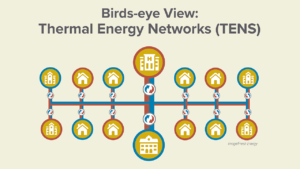
Urban implementation through interconnection. District energy systems—like the one currently under development at The Heights development in St Paul—provide many benefits. These benefits include economies of scale during implementation, reliable heating in existing buildings without much weatherization needed, much higher degrees of energy efficiency due to sharing of waste heat across buildings that have different energy use profiles (resulting in lower energy bills and sustainable growth of new electric demand), as well as the labor opportunities district systems present for workers currently engaged in fossil gas systems.
At Clean Heat Minnesota, we know that heat pumps are a critical piece of the building transition. This super-efficient and comfortable heating and cooling option can meet our state’s heating and cooling needs. Minnesota can affordably reach our goal of net-zero emissions by 2050 by moving away from gas powered appliances, adopting clean energy technologies like heat pumps, and implementing a smooth transition. Our members are advocating for beneficial electrification at the PUC and are out in communities sharing the benefits of this key technology.
Certain home upgrades make a difference, not only during wildfire season, but anytime outdoor air quality is unhealthy.
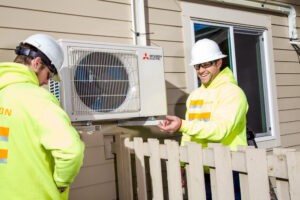
A heat pump is a type of heating and cooling system that is installed outside a home, multifamily residence, or business.
As families across Minnesota struggle with gas bills, utility costs continue to rise.